CASE Study
Suite Management Platform
I led the design of a Suite Management Platform connecting four SaaS products. The goal was to create a cohesive account experience, enable cross-product user management, and support sales of bundled product.
- B2B and B2C SaaS users: Organization Owners, Workspace Admins, Members
- ICP: Medium to Large companies various industries
(identified by conducting user surveys and analyzing existing customer base) - Indirectly: Sales and support teams, needing clearer account management flows
My role
Product Design Manager
- Scoping design requirements
- Aligning the cross-functional teams
- Defining information architecture
- MVP UI Library initiative and management
- UI design direction
- Hand off management
- Initiated the creation of a Suite design system
Context and problem
A key business objective was to present the three products as a cohesive suite to strengthen the sales narrative. However, technical differences between the products meant that full integration was not yet feasible.
Our priority was to establish a unified foundation by introducing a single access point for account, organization, workspace, and subscription management across all products, laying the groundwork for a more seamless suite experience.
Constrains
The initiative operated within several constraints, including legacy user account structures, existing SSO and subscription models, limited back-end flexibility, and an accelerated timeline that had already been impacted.
To meet delivery expectations, the initial release was scoped as read-only MVP, enabling faster rollout while reducing technical risk.
Additionally, the solution needed to support multiple entry points across products and platforms, including both mobile and desktop environments.
Strategy and Solution
Early Ideation
Defining the MVP scope
Suit Alignment
Aligning existing products
Design System
Defining a minimal viable design system to
MVP Launch
Delivering and launching the MVP
Post MVP Efforts
Moving past the MVP
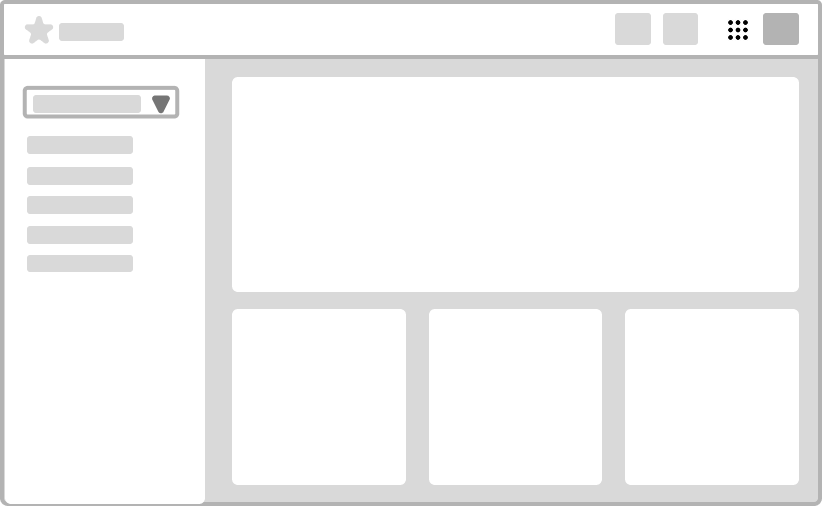
Redirected early exploratory design efforts by rapidly developing a clickable prototype that clarified the product direction and aligned key stakeholders around a shared vision.
The initial design solution was misaligned with the requirements, adding to the overall misalignment across teams. By recognizing and correcting this after reading the documentation and syncing with the stakeholders, I was able to correct course and rapid prototype a solution the team could agree upon and fast track it to development.



Early Ideation
Defining the MVP scope
Suit Alignment
Aligning existing products
Design System
Defining a minimal viable design system to
MVP Launch
Delivering and launching the MVP
Post MVP Efforts
Moving past the MVP

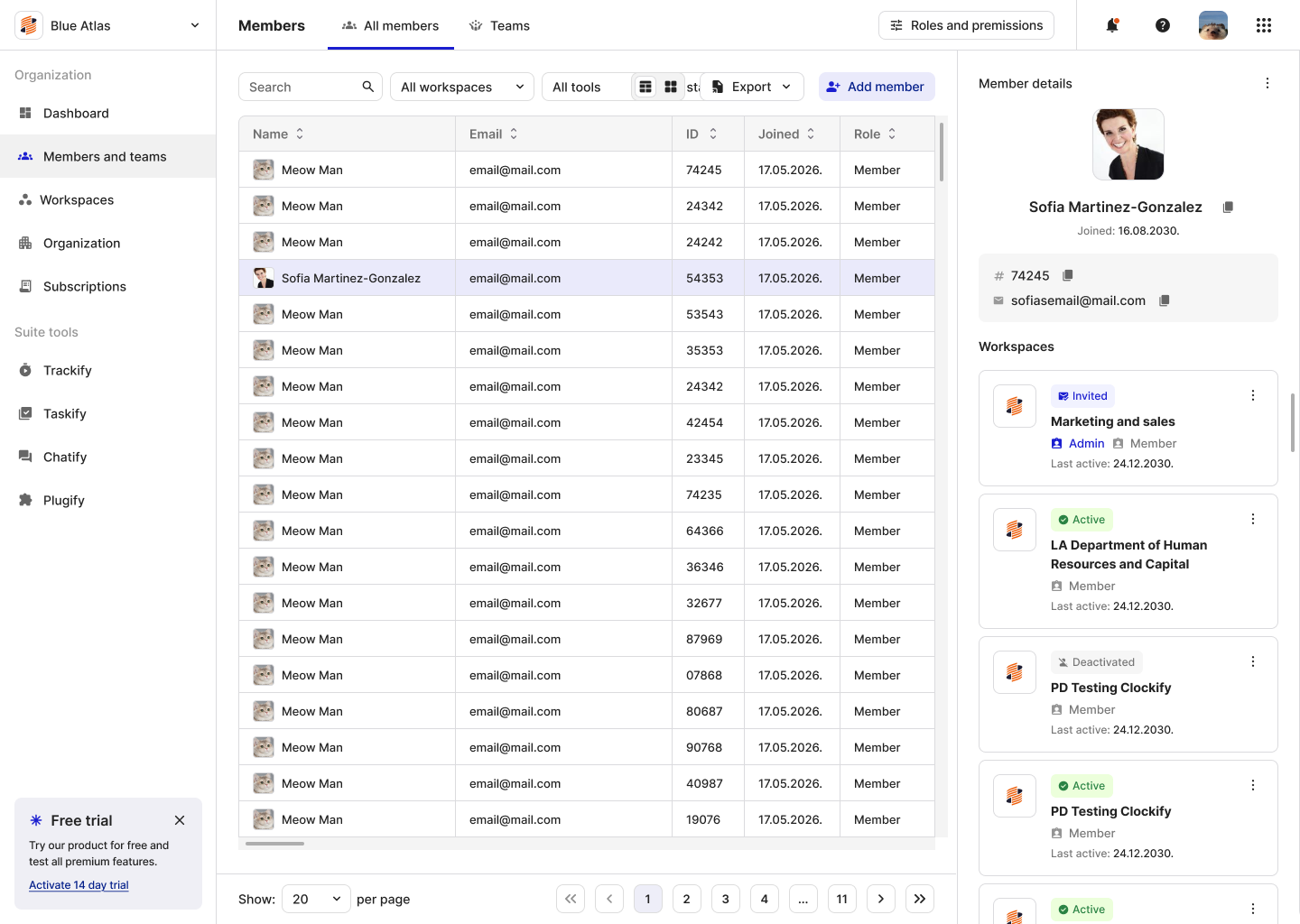
I lead the design of a structured account management experience incorporating organization context, workspace management, user administration, and subscription flows, across multiple products. This included:
- Managing the creation of a global suite navigation, tying products together with a shared UX pattern of the main top nav bar and app switcher
- Introducing shared (cross-suite) flows and managing the expectations of multiple FE teams, as well as design sub-teams regarding their implementation
Impact
- I reduced the risk of further delays and confusion by providing proof of concept to cross-functional teams that helped further alignment
- I provided a clear visual and functional direction for the PM and development teams so they could start building while design refined which enabled faster incremental development of the platform
- Built a scalable foundation for future enhancements, such as invitations and subscription management flows, as well as MVP design library that grew into a design system for the whole suite.
Tradeoffs
- The launch was read-only, some user functionality postponed in favor of reaching market quicker
- UI polish and delight were secondary to clarity and speed, but flexible enough to build upon
- Cross-product visual alignment was mandatory but caused push back from some dev teams – yet the outcome was favorable and a beginning of a shared UI library inspired by design initiatives
Early Ideation
Defining the MVP scope
Suit Alignment
Aligning existing products
Design System
Defining a minimal viable design system to
MVP Launch
Delivering and launching the MVP
Post MVP Efforts
Moving past the MVP
To make sure the future efforts have less friction, and can be easily scaled, I led the initiative to set up a minimal viable design system, later expanding it to meet more expectations and a grown team.


Read more about further efforts in my SaaS Suite Design System case study.

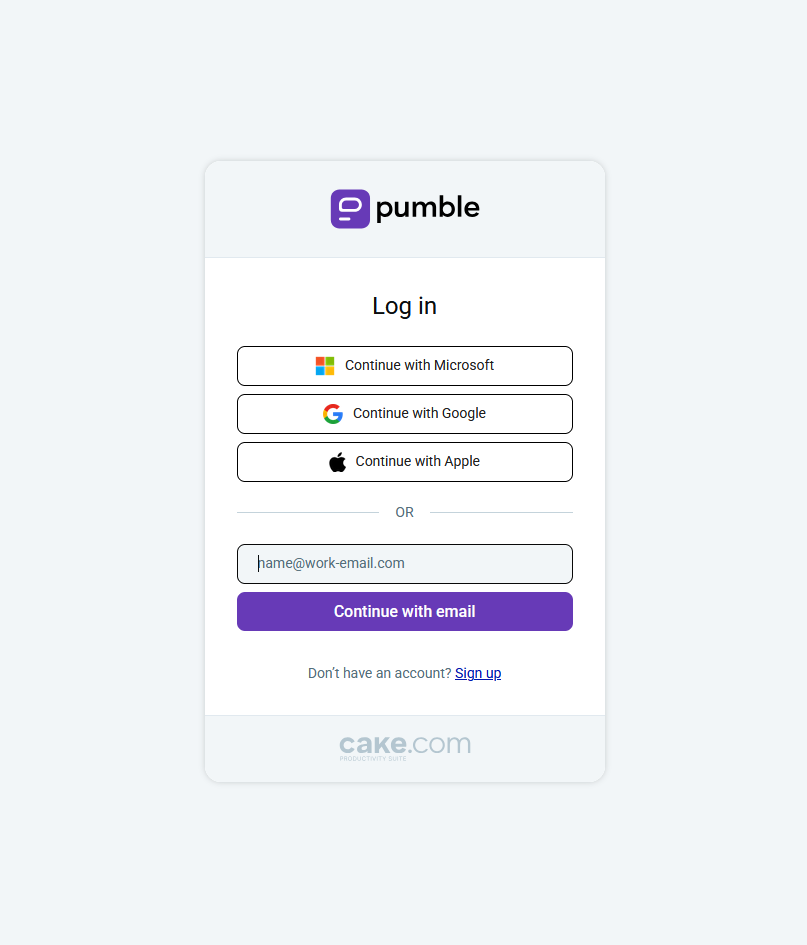

Login and Sign up were one of the first cross-suite flows, for these we made reusable components for all the suite products, branded them and made sure they are flexible enough to meet all the anticipated cases and changes in the future, as well as current products.
Early Ideation
Defining the MVP scope
Suit Alignment
Aligning existing products
Design System
Defining a minimal viable design system to
MVP Launch
Delivering and launching the MVP
Post MVP Efforts
Moving past the MVP
My team and I shaped the rest of the UI, researched patterns and looked into all the suite’s products, and their requirements, to assure shared elements are aligned across products. This served us well as we continued using them for a long period of time before they needed some touch-ups.

Early Ideation
Defining the MVP scope
Suit Alignment
Aligning existing products
Design System
Defining a minimal viable design system to
MVP Launch
Delivering and launching the MVP
Post MVP Efforts
Moving past the MVP
In retrospect
Here are some things I would do if I could go back in time
- I would refine contextual cues for organization vs. user context more clearly – this would improve the onboarding experience.
- Stronger dependency mapping across products would reduce internal push back – I should have done this before starting the prototype, it could have saved more time.
- Insist on early cross-team alignment – this could have improved the adoption of shared UI patterns more efficiently.
Future challenges
After a successful soft-launch the team is preparing to further shape the platform and add necessary features to meet a range of user needs.
Incoming features promises greater pressure on the platform, more features for managing a suite of products.
TLDR
- I successfully redirected early exploratory design efforts by rapidly developing a clickable prototype that clarified the product direction and aligned key stakeholders around a shared vision.
- Designed IA for a structured account management experience incorporating organization context, workspace management, user administration, and subscription controls.
- Collaborated cross-functionally to align UI patterns across products, improving consistency and reinforcing the suite narrative.
- Made deliberate scoping decisions to prioritize speed and clarity, deferring invitation and purchasing flows to subsequent phases.
- Established foundational principles for a cross-product design system to support long-term scalability and cohesion.